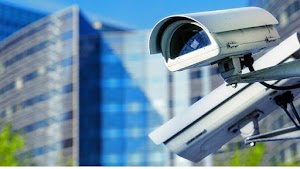
School security has changed dramatically over the past decade. The surveillance systems that once seemed adequate now struggle to meet modern security demands.
Traditional CCTV systems are giving way to IP camera technology, and the shift isn’t just about following trends. It’s about giving schools the tools they actually need to protect students, staff, and property effectively.
Why IP Security Systems Matter for Schools
IP security cameras provide superior image quality, remote monitoring capabilities, and scalable network infrastructure that traditional CCTV systems cannot match. With 93% of public schools now using security cameras, IP systems offer the advanced features, higher resolution, and integration capabilities that modern educational institutions require. AI technology enhances notification management, helping security staff prioritize alerts more effectively.
The difference between IP and traditional systems goes beyond simple image quality. It’s about how the entire security infrastructure functions and adapts to changing needs.
Understanding IP Technology Versus Traditional CCTV
IP cameras transmit digital video over network infrastructure, while traditional CCTV relies on analog signals through coaxial cables to DVR systems. This fundamental difference affects everything from image clarity to system flexibility.
Modern IP cameras deliver resolution from 4 megapixels up to 12 megapixels, with frame rates reaching 30 frames per second. Traditional CCTV can technically reach 4K resolution, but only at reduced frame rates around 10fps that create choppy footage missing critical moments of activity.
The infrastructure differences matter too. IP systems use Power over Ethernet, eliminating separate power cables and simplifying installation. Network integration means cameras connect to existing IT POE infrastructure rather than requiring dedicated closed-circuit wiring from the DVR all the way to each camera.
When schools need to expand coverage, IP systems scale easily. Adding cameras doesn’t require running new cables all the way back to the NVR but to the closet network switch location.
Security Challenges Facing Today’s Schools
Educational institutions deal with real threats that require comprehensive surveillance capabilities. According to data from January 2024, 67% of public schools reported at least one violent incident. Beyond violence, schools documented vandalism in 35.8% of cases and theft in 20.2% of incidents since 2022.
These statistics explain why security camera adoption jumped from 61% in 2010 to 93% today. Schools recognize that visible surveillance deters problems while providing evidence when incidents occur.
Critical coverage areas include building entrances where unauthorized access poses the greatest risk. Hallways and common spaces need monitoring for bullying, altercations, and emergency response coordination. Parking lots require surveillance for vehicle security and after-hours activity.
The challenge isn’t just covering these areas, it’s monitoring them effectively 24/7 while coordinating with other security measures like controlled access systems that 97% of schools now employ.
How IP Systems Address Educational Security Needs
Resolution makes a significant difference in useful footage. 4K IP cameras capture facial details and identifying characteristics that lower-resolution systems miss entirely. This clarity proves critical when investigating incidents or providing evidence to law enforcement.
Coverage efficiency improves dramatically too. One well-positioned 4K camera can monitor an area that previously required multiple analog cameras, reducing blind spots while lowering total equipment costs.
Remote access capabilities transform how administrators respond to situations. Security staff can monitor live feeds from multiple locations simultaneously, including mobile devices when responding to incidents. During emergencies, this means sharing live footage directly with law enforcement rather than describing situations secondhand.
The integration extends to emergency response systems. IP cameras coordinate with lockdown procedures and communication systems, creating comprehensive security responses rather than isolated reactions.
Looking ahead, scalability protects your investment. When schools need additional coverage, adding cameras to existing network infrastructure costs significantly less than expanding traditional CCTV systems. Software updates enhance capabilities over time rather than requiring hardware replacement.
Technical Requirements for School IP Systems
Network infrastructure forms the foundation of reliable IP camera systems. Each camera typically requires 4-8 Mbps bandwidth depending on resolution and frame rate settings. Schools must assess total network capacity before installation to ensure consistent performance across multiple cameras.
Power over Ethernet switches deliver both data and electrical power through single network cables. This simplifies installation but requires PoE+ capable switches and consideration of cable distance limitations. Standard Ethernet cables reliably power cameras up to 328 feet from the switch.
Camera specifications matter for different school environments. High-traffic hallways need vandal-resistant housing to withstand accidental and intentional impact. Outdoor installations require weather protection for year-round operation. Areas with variable lighting conditions benefit from cameras with low-light capabilities or ColorMax technology that maintains color footage in dim conditions.
Resolution standards should start at 4 megapixels minimum for clear identification purposes. Frame rates of 15-30fps ensure smooth motion capture without gaps that miss important activity. Wide dynamic range helps cameras handle challenging lighting situations like bright windows in otherwise dim hallways.
Storage planning depends on retention policies. Most schools maintain footage for 30-90 days based on local requirements. Storage calculations multiply camera count, resolution, frame rate, and retention period to determine total capacity needs. Backup systems protect against data loss from hardware failures.
Data security protocols protect student privacy while maintaining useful surveillance. Encrypted storage and transmission prevent unauthorized access to footage. Access controls limit viewing to authorized personnel only, with activity logging to track who reviews footage and when.
Planning Effective Camera Installation
Professional site assessment identifies optimal camera placement and infrastructure requirements. Surveys evaluate existing network capacity, power availability, and mounting locations throughout campus. Coverage mapping eliminates blind spots while respecting privacy boundaries.
Coordination with stakeholders ensures smooth implementation. Administrative approval aligns security measures with school policies. Staff notification prepares teachers and support personnel for new monitoring capabilities. Parent and community communication addresses privacy concerns proactively.
Strategic camera placement starts with high-priority locations. Main entrances need cameras positioned for clear facial recognition of everyone entering the building. Emergency exits require monitoring for evacuation procedures and unauthorized access attempts. Parking areas benefit from cameras capable of license plate capture.
Coverage optimization continues throughout the building. Hallway cameras monitor corridor activity without invading classroom privacy. Common areas like cafeterias, libraries, and gymnasiums need wide-angle coverage of large gathering spaces. Perimeter security protects buildings during after-hours when most vandalism and break-ins occur.
Professional installation ensures cameras mount at optimal heights and angles for their intended coverage areas. Proper cable management and weatherproofing protect equipment investments. System testing verifies every camera delivers expected coverage before considering installation complete.
Documentation preserves institutional knowledge. Camera location maps show coverage areas for future reference. System configuration details help troubleshoot problems. Maintenance schedules and support contacts keep systems operating reliably long-term.
Legal and Privacy Requirements
Federal FERPA regulations affect how schools handle video footage in specific situations. When footage includes identifiable students in educational contexts, it may qualify as educational records subject to parent access rights. Understanding these nuances protects schools from compliance violations.
State regulations add another layer of requirements. Many states mandate visible signage notifying people of video surveillance. Audio recording restrictions typically require consent from recorded parties. Data retention timelines specify how long schools must maintain footage and when destruction becomes mandatory.
Privacy protection measures determine where cameras can and cannot be installed. Bathrooms and locker rooms prohibit surveillance entirely. Private offices require consent from occupants. Any area with reasonable expectation of privacy needs careful evaluation before camera installation.
Access control protocols limit who can view footage and under what circumstances. User authentication and activity logging create accountability for anyone accessing surveillance systems. Regular access reviews ensure former employees or transferred staff no longer retain system permissions.
Comprehensive surveillance policies document exactly how schools use security cameras. These policies state surveillance purposes clearly, outline data access procedures, and establish incident response protocols. Transparency measures include visible signage at monitored entrances and policy communication to staff, students, and parents.
Selecting the Right System for Your School
Assessment begins with identifying security priorities specific to your institution. Some schools focus primarily on unauthorized access prevention. Others prioritize theft deterrence or emergency response capabilities. Understanding these priorities guides equipment selection and coverage planning.
Coverage requirements analysis determines how many cameras you need and where they should be positioned. Calculate total area requiring surveillance, then map optimal camera locations considering factors like mounting options, lighting conditions, and infrastructure access.
Budget planning separates initial investment from ongoing operational costs. Initial expenses include professional-grade cameras, network infrastructure upgrades if needed, and installation services. Long-term costs cover maintenance agreements, storage and bandwidth expenses, and future system expansion.
Professional consultation brings expertise to system design. Site assessment and coverage planning identify optimal solutions for your specific campus layout. System specification ensures equipment selection matches your security requirements and budget constraints.
Implementation includes professional mounting and configuration that maximizes coverage while minimizing equipment counts. Staff training ensures security personnel and administrators can operate systems effectively. Ongoing support and maintenance planning protects your investment through professional assistance when problems arise.
Modern school security demands more than traditional surveillance systems can deliver. IP camera technology provides the image quality, remote access, and scalability that educational institutions need to protect students and staff effectively. The right system, properly installed and maintained, enhances security while respecting privacy requirements.
Professional assessment helps identify which IP security solution matches your school’s specific needs and budget. Understanding your coverage requirements, technical infrastructure, and compliance obligations ensures successful implementation that serves your institution for years to come.
Citation Sources
- https://getsafeandsound.com/blog/school-security-statistics/ (School security statistics)
- https://volt.ai/blog/school-security-cameras (AI-powered school security trends)
- https://www.coram.ai/post/best-school-security-cameras (IP camera benefits for schools)
- https://www.avigilon.com/blog/school-security-cameras (Technical requirements and placement)
- https://getsafeandsound.com/blog/school-video-surveillance-policy/ (Legal and privacy guidelines)
- https://www.rhombus.com/blog/school-security-cameras-video-surveillance-systems-pros-and-cons/ (Implementation considerations)
- https://getsafeandsound.com/blog/ip-camera-vs-cctv/ (IP vs CCTV comparison)
- https://www.cctvcameraworld.com/security-cameras/ip-vs-analog-cameras/ (Technical specifications)