
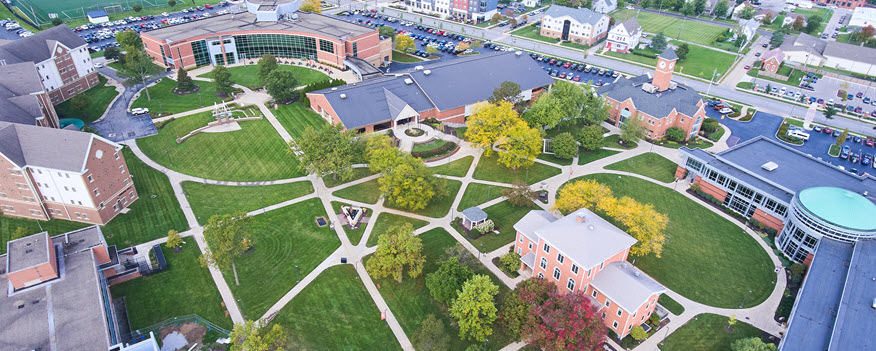
Government agencies and municipalities face complex security challenges when protecting public spaces, employees, and sensitive assets across sprawling campuses and facilities. Surveillance Technology understands the unique requirements of government security and offers scalable video surveillance solutions designed to provide comprehensive protection without disrupting public services.
Scalable Solutions for Expansive Government Properties
Our expert team conducts in-depth operational reviews to understand your agency’s specific security needs and develop a tailored surveillance plan. We consider factors such as camera count, functionality tiers, and coverage density to create a solution that balances expansion flexibility with redundancy and failover protections. Our modular approach allows you to expand your security camera system incrementally across multiple properties, ensuring seamless protection as your needs evolve.
Strategic Camera Positioning for Enhanced Security
Surveillance Technology strategically positions security cameras to enhance perimeter security, monitor parking garages, and secure ingress/egress checkpoints. We also provide discreet coverage in public areas, deterring potential incidents without compromising privacy. By carefully selecting camera placements, we optimize visibility while maintaining a welcoming environment for citizens and employees alike.
Integration with Access Control and Centralized Monitoring
Our government security camera systems can seamlessly integrate with access control layers, allowing for comprehensive monitoring and management of entry and exit points. This integration enables authorized personnel to monitor multiple camera feeds and access control events from centralized interfaces, either on-site or remotely. By consolidating security data and providing secure remote access, we empower your team to respond promptly to potential threats and coordinate emergency response efforts effectively.
Future-Ready Surveillance Technology
Surveillance Technology partners with government administrators to design future-ready surveillance systems that support daily operations, emergency response coordination, and public service expansion. We can help you upgrade aging CCTV infrastructure with state-of-the-art platforms, demonstrating good stewardship of public resources while modernizing your security capabilities. Our scalable solutions are built to adapt to evolving security needs, ensuring that your investment in public safety remains effective for years to come.
Compliance with Government Regulations and Standards
We understand that government agencies must adhere to strict regulations and standards when implementing security measures. Surveillance Technology ensures that our video surveillance solutions comply with all relevant government guidelines, including data privacy, cybersecurity, and accessibility requirements. Our team stays up-to-date with the latest industry standards and best practices to provide you with a compliant and reliable security camera system.
Protect Public Spaces with Surveillance Technology
At Surveillance Technology, we are committed to helping government agencies and municipalities create safer and more secure environments for the public and employees. With our extensive experience in designing and implementing scalable video surveillance solutions, we can address the unique challenges faced by government entities. Trust us to be your reliable partner in safeguarding public spaces, assets, and people.
Invest in the security of your government facilities and public spaces with Surveillance Technology’s advanced security cameras. Contact us today to schedule a consultation and take the first step towards enhancing public safety and security.
We support municipal and government facilities across Tampa, Clearwater and surrounding areas:
Treasure Island Bridge – Business Surveillance Camera Systems Treasure Island
Brooksville FL Department of Transportation – Brooksville Security System
Clearwater Housing Authority Corporate Square – Clearwater Surveillance Camera System
Tampa International Airport Project – Commercial Grade Security Camera System Tampa
Welch Causeway Drawbridge – Video Camera System Treasure Island
Tampa Bay Regional Planning Council – Surveillance System Pinellas Park
Veteran’s Memorial Park – DVR Camera System Hudson
Plant City Police Department – IP Bullet Security Camera Plant City
Cypress Forest Park and Recreation Center – Surveillance Systems Oldsmar
John’s Pass Bridge – 4K Security Cameras Madeira Beach
Government facilities require access control that meets strict security standards. Watch how Surveillance Technology USA installs tailored systems for Tampa Bay government institutions, with full in-house licensing and hands-on walkthroughs to ensure compliance and confidence.
Frequently Asked Questions
What surveillance challenges do government parks and facilities face?
Government parks and facilities face unique surveillance challenges including large outdoor areas with limited existing infrastructure for power and network connectivity, varied lighting conditions from full daylight to complete darkness requiring versatile camera capabilities, weather exposure requiring ruggedized equipment that withstands rain, humidity, temperature extremes, and other environmental factors, and the need to balance public access with security for vulnerable facilities or equipment. Surveillance systems for these environments need weatherproof cameras rated IP66 or higher, night vision capabilities or 24/7 color cameras with proper lighting, vandal-resistant housings protecting equipment from both environmental and intentional damage, and sufficient storage capacity for extended recording times. Coverage should focus on parking areas, building entry points, high-traffic public areas, and isolated locations where incidents commonly occur while respecting reasonable privacy expectations in public spaces.
How does access control work for government facilities with public and restricted areas?
Government facilities typically need access control systems that accommodate both public access and restricted areas. Public areas like lobbies, service counters, and meeting rooms remain openly accessible during business hours while administrative offices, server rooms, evidence storage, mechanical rooms, and other sensitive areas require credential-based access. Modern systems support multiple access levels allowing different credentials for employees, contractors, elected officials, and visitors. Access control systems create detailed audit trails required for government compliance and security protocols documenting who accessed which areas when. Integration with surveillance cameras provides visual documentation of all access events in restricted areas. Time-based restrictions prevent access to sensitive areas outside business hours except for specifically authorized personnel. This layered security approach protects sensitive government operations while maintaining appropriate public access.
What camera features are most important for outdoor park surveillance?
Outdoor park surveillance requires cameras specifically designed for challenging environments. Essential features include weatherproof ratings IP66 or higher to withstand rain, humidity, temperature extremes, and other environmental exposure, vandal-resistant housings protecting cameras from both accidental and intentional damage, night vision capability or 24/7 color cameras for round-the-clock monitoring of parks that remain open after dark, wide dynamic range handling varying lighting conditions from deep shade under trees to bright sunlight in open areas, and wireless connectivity options for locations where running cables is impractical or prohibitively expensive. Strategic camera placement at parking areas, trail heads, playground equipment, pavilions, restroom facilities, and other structures provides comprehensive coverage. Cameras should record continuously at adequate frame rates to capture incidents clearly while balancing storage requirements for large outdoor areas.
How can government facilities balance surveillance with public privacy concerns?
Government facilities must balance legitimate security needs with public privacy expectations and constitutional concerns. Appropriate surveillance practices include focusing cameras on security-relevant areas like building entrances, parking areas, and public gathering spaces rather than attempting comprehensive monitoring of all public space, clearly posting signage notifying the public that surveillance is in use, avoiding camera placement in areas with privacy expectations like restrooms, avoiding audio recording which raises additional legal concerns, limiting retention periods to what’s necessary for security purposes rather than indefinite storage, and implementing policies restricting who can access footage and for what purposes. Surveillance should focus on protecting public safety and government property rather than general monitoring of lawful public activity. Professional installation ensures camera angles and positioning respect privacy while still providing effective security coverage.
What surveillance features help government facilities document security incidents?
Government facilities need surveillance systems that provide thorough documentation of security incidents for investigation, prosecution, and compliance purposes. High-resolution cameras up to 4K capture facial features and other identifying details needed for investigation, continuous recording at 20 to 30 frames per second captures complete incident timelines without gaps, adequate storage retains footage for at least 30 days and longer if required by government policies, timestamp synchronization across all cameras ensures accurate timeline documentation, and cameras positioned to provide multiple angles of critical areas offer complete perspective on incidents. Integration with access control systems documents who was in facilities when incidents occurred. Professional-grade systems include features like automatic flagging of footage when AI activity is triggered and export capabilities that make providing footage to law enforcement efficient while maintaining chain of custody documentation.
How should government parks handle surveillance in remote locations?
Government parks with remote locations face unique surveillance challenges requiring specialized solutions. Options for remote surveillance include solar-powered camera systems eliminating the need for electrical infrastructure, wireless or cellular connectivity transmitting footage without network cable installation, ruggedized equipment withstanding harsh environmental conditions without regular maintenance access, and local storage at camera locations with periodic retrieval or wireless transmission of footage. Strategic placement focuses on highest-priority areas like parking areas, trail heads, and popular gathering spots rather than attempting comprehensive coverage of vast park areas. Motion-activated recording conserves storage and battery power in remote locations. These specialized systems allow parks to provide security in areas that would be impractical or prohibitively expensive to cover with traditional wired surveillance infrastructure.
What storage and retention requirements do government surveillance systems have?
Government surveillance systems often face more stringent storage and retention requirements than private sector installations. Requirements typically include minimum retention periods specified by government policies (often 30-90 days or longer), secure storage preventing unauthorized access or tampering with evidence, detailed audit trails documenting who accessed footage when, backup systems preventing data loss from equipment failure, and export capabilities that maintain evidentiary integrity for law enforcement or legal proceedings. Storage systems must accommodate these requirements while handling potentially large camera counts across multiple facilities. Professional system design ensures adequate storage capacity meeting government requirements without excessive cost. Many government entities also have specific requirements for where data is stored, particularly concerning cloud storage, requiring local storage solutions that maintain data within government control.